Dr. Nick’s Green Juice
Ingredients:
1 bunch of any greens of your choice (collards, chard, spinach, kale)
1 cucumbers
½ bunch of parsley
1 lemon
1 lime (peel removed)
2 green apples
3 stalks of celery
½ thumb ginger root
Directions
Wash all produce thoroughly
Juice each vegetable in this order – greens, herbs, lemon, lime, cucumber, celery, ginger, apple
Stir mixture
Rinse and clean juice right away
Sunday, June 10, 2018

My Favorite Smoothie!
Blueberry Almond Smoothie
1 large handful of spinach1 cup coconut milk and/or almond milk
½ cup frozen blueberries
1 heaping spoonful almond butter
1 scoop grass-fed protein powder
Cacao nibs (optional)
Flax or chia seeds (optional)
Amounts may vary depending on size of smoothie. Above amounts are estimates for a single smoothie. Mix all ingredients in blender until smooth. Add more milk as needed.
Monday, June 4, 2018
Healthy Donuts!
Healthy Cinnamon and "Sugar" Donuts
Donuts1.5 cups almond flour
3 organic eggs
3 tsp organic pure vanilla extract
1/2 tsp baking soda
2 tbsp local pure organic honey
Topping:
4 tbsp organic butter, melted
3 tbsp granulated Swerve brand sweetener or coconut sugar
(use erythritol and xylitol sugars like Swerve sparingly)
1 tbsp cinnamon (or to taste)
Donuts:
In a bowl, mix all ingredients together until smooth. Fill a greased (I use organic butter to grease) donut pan approximately 3/4 full. Bake at 300 degrees F for approximately 10-15 minutes (keep a close eye on them, do not let them overcook or they will be dry) or until slightly light brown on top. Allow to cool for 5 minutes before taking them out of the donut pan.
Topping:
Melt the butter and set aside. Mix the sugar substitute and cinnamon in a bowl. Dip the top of the donut into the butter, just enough to coat the top. Then dip the top of the donut into the sugar mixture.
I recommend eating these donuts ASAP while they are still slightly warm for the best tasting! If you choose to leave some for the next day or two I would wait to top/coat those donuts until you are ready to eat them. I prefer the cinnamon and "sugar" topping but some love a good frosting on top! Try the frosting recipe below!
Optional Frosting Topping:
6 tbsp coconut butter, melted
1 tsp vanilla extract
2 tbsp Swerve sweetener
4-6 tbsp non-dairy milk (almond milk) until thin and frosting-like
Slowly melt the coconut butter on low heat. Remove from the heat and add vanilla and sweetener. Add the milk one tablespoon at a time, stirring in between until a smooth, frosting-like consistency.
Thursday, May 10, 2018
Intermittent Fasting
Fasting: What Is It and How Do I Do It?
Are you struggling with your weight, stuck with reproductive problems, gut issues, skin issues, sleep or hormone problems? There's not a condition on the planet that I wouldn't be talking about with regards to getting results through this topic--fasting.Fasting is a buzzword right now. There are many different types. You might be wondering if it’s right for you? How do you do it? Let me break down the best results I've seen with my health regimen. Regardless of your fitness or nutritional level, we’ll break down exactly which one would be right for you that will accelerate your weight loss results. I’ve experienced both weight loss and lean muscle results. There have been changes in my digestive system and other organs, which have been game changers. The best results I’ve seen in my lifetime come from fasting.
3 Types of Fasting With Proven Results
1. SlimFast
Come on, it’s not actually SlimFast, but I wanted to get your attention. They nailed something years ago when they came out with the commercial, “A shake for breakfast, a shake for lunch, and a sensible dinner.” Do you remember this one? I know that SlimFast is still around but it’s filled with a whole bunch of toxic chemicals. It’s not good for you. I would not recommend that you actually have SlimFast. I like their model of having a shake for breakfast, a shake for lunch, and having a sensible dinner. This is a great way to curb your consumption.This is what I actually did last year to break through to some results. I would do a smoothie for breakfast, a smoothie for lunch, and then I would eat a sensible dinner. Of course, you could change that up. Have a smoothie for breakfast, a smoothie for dinner, and a sensible lunch. Do whatever would work best for your life, your schedule, your busyness.
Make a healthy smoothie, which you can find if you click on our breakfast recipe section, chocked full of nutrients. Too many powdery drinks or boxed smoothies like SlimFast can cause a problem. There’s too much sugar. I use our Grass Fed Whey Protein. Our Grass Fed Whey Protein will not have as large of an effect on increasing insulin levels because you won’t be pouring a bunch of sugar in.
Grass Fed Whey Protein smoothies and a sensible meal with vegetables, meat and fats will get you on your way. Just cutting down that consumption makes big movements in the hormone, insulin, and weight levels. You’ll get results.
I love practicing this Monday through Friday when I am super busy and on the go. Not eating as much during the week doesn’t bother me as much as it does on the weekends when there’s more time to think and do more emotional eating. It might not be your solution during the weekends, but definitely during the week.
So remember a shake for breakfast and lunch and a sensible dinner.
2. 6-Hour Rule
Only eat during a six-hour period of time. I love this because you’re allowing your body to do nothing else except healing itself. It’s not spending all of this time digesting the meals you keep pounding in 2, 3, 4, 5 or six times a day.
You’re only eating during a six-hour window. For example, noon to 6 p.m. or 1 p.m. to 6 p.m. Pick a six-hour window. That’s the only time you eat. You don’t eat until the next day at that same time. This way you’re allowing your body an 18-hour window to completely rest, digest the food you have in your system, deal with inflammation, reset the hormones, and lower your blood sugar levels.
This allows room for health and healing and gives your system a break. We overeat in America. Get your calories down. Get insulin down and allow your body to really heal.
The 6-Hour Rule. I really love that one. It’s an intermittent fasting concept and is why it is becoming very popular because it gets a lot of results.
3. Water Fast
For those of you more ready for an advanced step, try the water fast. A lot of people have been doing this, especially at the turn of a new year. We’ll throw this in—you can do this any time of the year. You actually build up to the type that I do. I would not recommend just jumping straight into a 5 or 7 or 10-day fast. You’re only having liquids. Some would say that it’s crazy to go more than a couple of hours not eating food, let alone days on end without eating. But your body can actually handle it. Of course, consult a doctor or your overseeing physician to make sure that it’s a healthy and right decision for you. If you’re ready for a more advanced step after you’ve implemented some of the SlimFast and 6-Hour Rules, you’re ready for a water fast.
I actually ramp it up over a period of several weeks. I’ll start cutting down meals and start doing the 6-Hour Rule principles for several days of the week. Then I might skip one day. The next week, I’ll skip two days. Then I work my way to three days…all the way up to a 7-day water fast.
Now during the water fast, you’re able to have water and I still drink organic coffee. Some of you need to cut coffee as well especially if you have an adrenal problem. If you do have an adrenal problem, you should probably reconsider doing water fasting period as it’s very hard on them. I also have Grass Fed Whey Protein or bone broth in the form of soup. It allows the whole system to completely reset. This drives down insulin which is a major disrupting hormone due to all the sugar that we intake.
Wrap Up
Let the system clear out, start with a smoothie, smoothie, meal. This is a great option for a beginner. To really curb your food consumption, the next step up is taking the 6-Hour Rule, only eating during a 6-hour window. Or take the water fast challenge, where you’re doing anywhere from 3 to 7 days of only water. Allow your body to reset, but build up first before you dive right in.
So, is fasting for you? I believe fasting is pretty much for everybody. Maybe a few specific, really harsh health conditions this would not be for. Of course, if you are wondering about that, consult your physician for any precautions. It’s a great way to see good results, allow your body to heal, drive down inflammation, lose weight and get results. We’re overeating in America and fasting is an amazing solution.
Sunday, February 11, 2018
My Favorite Keto Smoothie!
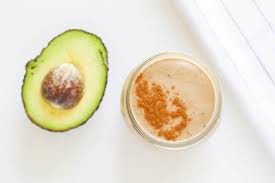
Ingredients:
- 1–1¼ cups full-fat coconut milk
- ½ frozen avocado
- 1 tablespoon nut butter of choice
- 1 tablespoon chia seeds, soaked in 3 tablespoons of water for 10 minutes
- 2 teaspoons cacao or cocoa powder OR 1 scoop of chocolate grass fed whey protein powder
- 1 tablespoon coconut oil
- ice (optional*)
- for topping: cacao nibs and cinnamon
- ¼ cup water, if needed
Directions:
- Add contents into a high-powered blender, blending until well-combined.
- Top with cacao nibs and cinnamon.
Tuesday, February 6, 2018
Pain Triggering Foods!
Top 10 Pain-Triggering Foods
Check us out on Facebook - click here
Check us out on our website at healthfromwithinstl.com - click here
How Foods Inflict PainInflammation is a normal immune response that helps protect the body against injury and infection. When you get a bug bite, for example, you might start to notice a bit of swelling and itchiness as your immune system springs into action.
Some conditions cause the immune system to set off this inflammatory response even when there are no foreign organisms to protect against. This causes the immune cells to attack the normal, healthy cells in the body, resulting in tissue damage and pain.
Certain types of pro-inflammatory proteins also work by directly activating nerve cells, which can both initiate and intensify pain. (3)
Some conditions commonly associated with inflammation and pain include:
- Celiac disease
- Leaky gut syndrome
- Arthritis
- Food allergies and sensitivities
- Lupus
- Ulcerative colitis
- Crohn’s disease
- Gout
- Headaches/migraines
Strengthening your immune system by taking control of your diet can be an easy and effective way to reduce inflammation and relieve pain.
Top 10 Pain-Triggering Foods
1. Dairy
Although most people are born with the ability to digest lactose, the main type of sugar found in cow’s milk, it’s estimated that 75 percent of people around the world lose this ability at some point. (5) Consuming dairy products when you’re living with lactose intolerance may result in symptoms like bloating, abdominal cramps, flatulence or diarrhea.Research also turned up some conflicting results about the role of dairy in inflammation and chronic pain. One review published in 2012, for instance, suggests that dairy consumption should be limited in those with arthritis to decrease inflammation and alleviate symptoms. (6) Conversely, a study in the European Journal of Clinical Nutrition found that consuming full-fat dairy foods was not related to inflammation. (7)
Although more studies are needed, switching to a dairy-free diet may be worth a try if you suffer from chronic pain. Case in point: one study showed that switching to a low-fat, planet-based diet significantly decreased symptom severity and inflammation in patients with rheumatoid arthritis. (8)
2. Soy
Soy is commonly found in a wide array of products including tofu, soy milk, soy sauce and vegetarian meat substitutes. Unfermented soy products contain phytic acid, a type of antinutrient that impairs nutrient absorption and irritates the lining of the gut.This could potentially result in increased intestinal permeability, or leaky gut, a condition that allows particles to pass from the intestines into the blood. Not only can this contribute to inflammation, but it may also cause symptoms like joint pain, nutritional deficiencies, skin rashes and changes in mood.
3. Nightshades
Nightshade vegetables are a group of plants from the Solanaceae family, including tomatoes, potatoes, eggplants, chili peppers and bell peppers. While these nutritious veggies are generally healthy and safe for most people, they can trigger a host of adverse symptoms ranging from joint pain to muscle aches and mood swings in people who have a sensitivity.Unfortunately, current research on nightshade intolerance is extremely limited, and most of the information available is anecdotal. However, testing out an elimination diet may be worthwhile if you think your pain may be worsening after eating nightshades.
4. Gluten
Gluten-free diets generate a lot of buzz, but many people still don’t understand basic gluten facts. Gluten is a type of protein found in grains like wheat, barley and rye. Besides being hiding out in bread and other wheat products, it also winds up in many salad dressings and deli meats, too.For those with celiac disease or a sensitivity to gluten, eating even trace amounts can be a major pain trigger. While more research is still needed, gluten may even cause pain or symptoms in individuals without a sensitivity. Some test-tube and animal studies suggest that gluten may increase inflammation and exacerbate leaky gut syndrome by activating a specific protein involved in intestinal permeability. (9, 10, 11)
5. Alcohol
While the occasional glass of red wine with your dinner is okay, chronic alcohol consumption may not be so great for your health or your pain levels. Overdoing it can weaken the liver, amp up inflammation and even worsen symptoms of conditions like inflammatory bowel disease. (12, 13)If you do want to wind down with a drink at the end of the night, be sure to skip the sugary mixers and high-carb beers. Also, remember to keep it in moderation with less than five drinks a week; no more than two drinks per day for men and one drink a day for women.
6. Meat
Emerging research indicates that limiting your consumption of red and processed meats could be beneficial for your health. Eating more red and processed meats is associated with increased inflammation, which is believed to be a major cause of chronic pain. (14, 15, 16)Some types of meat are also high in purines, compounds that can aggravate gout and cause pain. If you suffer from gout, it’s best to limit your consumption of high-purine meat products like seafood, bacon, turkey, veal and organ meats during flare-ups.
7. Sugar
Sugar is linked to an extensive list of deleterious effects on health, from heart disease to cancer. (17) But did you know that your sweet tooth may also be contributing to pain as well?Some research suggests that a high-sugar diet could cause alterations in your gut microbiome, which could promote inflammation and influence on immune. (18) Loading up on sugar may also increase intestinal permeability, allowing particles to pass through to the bloodstream, triggering leaky gut symptoms, including pain. (19)
8. Processed Foods
Unfortunately, ultra-processed foods make up a pretty substantial portion of the modern diet. One study estimates that processed foods account for a whopping 58 percent of total energy intake in the average American diet. (20) This includes popular items like convenience foods, snack cakes, sodas, juices, potato chips and breakfast cereals.A diet packed with processed junk could be the culprit behind your chronic pain. A Harvard Medical School study found the traditional Western diet (characterized by a higher intake of red and processed meats, sweets, desserts, French fries and refined grains) was associated with higher levels of inflammatory markers. (21) Other studies show that trans fats, which are frequently found in processed foods, are tied to increased inflammation. (22)
For this reason, minimizing your intake processed foods is consistently recommended to help manage painful conditions like arthritis and inflammatory bowel disease. (23, 24)
9. Vegetable Oils
Vegetable oils like corn, safflower, cottonseed and soy oils are high in omega-6 fatty acids, a type of fat that most Americans are eating in excess. While most experts suggest sticking to a 2:1 ratio of omega-6 to omega-3 fatty acids, the typical ratio in the Western diet is closer to 20:1. (25)Omega-6 fatty acids are pro-inflammatory. Some research links excess omega-6s to pain. A study published in The Clinical Journal of Pain associated a diet high in dietary omega-6s with more pain, functional limitations, pain sensitivity and distress in participants with knee pain. (26)
10. Caffeine
Bad news for coffee lovers: if you suffer from frequent, painful headaches, it may be time to cut back a bit on the caffeine. While some studies ID caffeine as a way to ease headaches, it appears that benefit occurs mostly in people who rarely drink coffee. For chronic caffeine users, it may actually increase the risk. (27)One study out of South Korea, for example, found that discontinuing caffeine consumption helped treat migraines in 72 percent of participants. (28) Caffeine isn’t just found in coffee, though. Other sources of caffeine include chocolate, tea, soft drinks and energy drinks.
How to ID & Deal
If you suffer from chronic pain and think your diet could be at the root of the problem, there are several steps you can take to start on the path towards pain-free living.Testing is available for certain conditions, such as lactose intolerance, food allergies and celiac disease. These tests are a great way to pinpoint specific problems and identify foods that you should be nixing in your diet.
Unfortunately, detecting other food sensitivities isn’t quite as easy and sometimes requires a bit of detective work. The best way to identify trigger foods is by using an elimination diet.
During an elimination diet, foods are cut out completely and then slowly re-introduced over a period of several weeks to determine which foods may be contributing to symptoms and which foods can be safely added back in.
Remember: while identifying which foods may be causing your symptoms is important, following an overall healthy diet is just as crucial. Even if you feel just fine after polishing off a bag of candy, for example, that doesn’t mean that you should do it. Pairing a diet rich in whole, unprocessed, anti-inflammatory foods with a healthy lifestyle is vital to maximizing health, minimizing inflammation and keeping pain under control.
Final Thoughts on Pain-Triggering Foods
- Diet, inflammation and pain are all intricately connected and can have a huge influence on your health and pain status.
- Certain foods may trigger inflammation and pain in certain people, along with other adverse side effects.
- However, keep in mind that not all foods affect everyone in the same way. You may experience negative symptoms to one or two of these foods; others may not affect you at all.
- Identifying your trigger foods through medical testing or an elimination diet can be a powerful way to reduce chronic pain and promote better health.
Monday, February 5, 2018
5 Essentials To HEALING!
LIVE the 5 ESSENTIALS
1. Maximized Nerve Supply
Free up FUNCTION… GET ADJUSTED!!!
Identify “stress” scars on your Nervous System.
Remove the Scars/subluxations… GET ADJUSTED!!!
Identify bad habits that created the problem in the first place
Do strengthening and stabilizing exercises
2. Maximized Nutrition - Fix Your Fuel
Fix Your Fats (add in good healthy fats)
Perfect Your Proteins (improve the quality of your protein)
Slash the Sugars (cut our or minimize sugar intake)
Curb Your Carbs (remove refined carbohydrates)
Take specific supplements - Multi-Vitamin, Vitamin D3, Omega 3s, Protein
3. Maximized Mindset - Fix your stinkin’ thinkin’
Realize Your Body Is Made to Heal!
Believe You Can Do It!
Take care of you!
Take responsibility for your life!
Set a goal, a timeline and commit!
Establish a routine!
It’s ok to be Weird!
4. Maximized Oxygen - Fire Up Your Fitness
Make your workouts as efficient and effective as possible.
Do deep breathing throughout the day to raise the levels of oxygen in blood.
Example: Do 1-3 rounds As Fast As Possible
20 Push Ups
20 Squats
20 Crunches
5. Minimize TOXINS
What is going on/IN your skin/body?
What do you clean your house with?
What do you clean your body with?
What is the quality of the air that you breathe?
Get To As Many Events As Possible!
Follow us on FACEBOOK - Health From Within Family Chiropractic
Follow us on INSTAGRAM
Subscribe to:
Posts (Atom)