Tuesday, June 26, 2018

7 Ways To Lower Blood Pressure

7 All-Natural Solutions for High Blood Pressure

1. Address Nerve Damage.

The University of Chicago did a study several years back and found that if the top bone in your neck is out of position, and it puts pressure on the vagus nerve, it would actually increase your blood pressure. If you went to a chiropractor, got x-rays and pre- and post-testing, and got this area aligned properly you can lower your blood pressure by two medications combined. They found a 17-point drop in blood pressure repeated several times with patients, just by addressing the nerves. Start from the inside. 3

2. Hawthorne. 

A botanical that is a natural diuretic which helps address water retention. At the same time, it is an ACE inhibitor, a beta blocker as well as a calcium channel blocker. Hawthorne is very powerful, it helps to relax the muscles, reduces vascular tone, and lowers the blood pressure. Studies show that it stimulates nitric oxide to be produced, which also relaxes and helps bring the blood pressure down. It's high in bioflavonoids--antioxidants that are very heart-friendly. Hawthorne has also been shown, as a side note, to trigger triglycerides, cholesterol, and LDL to decrease. All of this is backed up by the research. We already know this information, but when's the last time your doctor told you about Hawthorne as a botanical to address your blood pressure?4

3. Pomegranate. 

According to studies, pomegranate reduces your blood pressure because it's really high in tannin and antioxidant levels. Studies have also shown that it decreases your LDL, and stops the formation of atherosclerosis and hardening your arteries. Pomegranate is an ACE inhibitor and it will lower it by 36%. It also lowers your blood pressure by 5%.5  It is a great, safe alternative.

4. Taurine.

Really high in sulfur content, it helps lower your blood pressure. It's a natural diuretic and is an ACE inhibitor. 6 As long as these and other supplements are not taking at therapeutic, high doses, they have virtually no side effects. 

5. Magnesium.

I love using magnesium for many different problems. It’s really good and very healthy for the heart and all muscles of your body. Magnesium has actually been shown in studies to decrease your top number of blood pressure 5.6, and your bottom number 2.8.7 This means that if you were running at 160 over 90, it would literally lower it down to 154 over 87, just by taking a proper amount of magnesium (400 milligrams on a daily basis). You can split that into two doses or take it in one dose. It's a calcium channel blocker that increases nitric oxide, and studies have literally proven that there's a direct correlation between low magnesium numbers and high blood pressure numbers.8

6. Alpha Lipoic Acid. 

This is a powerful antioxidant which I personally use on a regular basis because it's such a good antioxidant. It's very heart-friendly and it does help reduce hypertension. Alpha lipoic acid and several of the herbs handle oxidative stress.9

7. Sugar Fast.

High blood sugar is often correlated to high blood pressure. The solution is all about weight and your diet. A proper sugar fast to get all forms of sugar out has a dramatic impact on the high blood pressure itself. High blood sugar also damages the kidneys by putting a strain on them, affecting how you absorb minerals, and how you get rid of fluid. Too many patients that I've come across over the years have to do dialysis because they never got this under control. The more weight that you lose, the less your heart has to work and pump. The less blood flow is actually needed, so naturally, your blood pressure will go down. Your kidneys will thank you too.
With 340 million children that are now obese worldwide our kids need a sugar fast too. It is why we are now seeing an ever-increasing number of children with diabetes and hypertension. 10

Precautions

Are you dealing with one of these blood pressure issues? There are many good health solutions out there. This one is my favorite. Of course, you want to be smart about it. Contact a health provider to understand your blood pressure before you ever change a medication or come off of it altogether.

Written by my colleague, Dr. Blake Livingood

Sunday, June 10, 2018

My Favorite Green Juice!

Dr. Nick’s Green Juice

Ingredients:

1 bunch of any greens of your choice (collards, chard, spinach, kale)
1 cucumbers
½ bunch of parsley
1 lemon
1 lime (peel removed)
2 green apples
3 stalks of celery
½ thumb ginger root

Directions
Wash all produce thoroughly
Juice each vegetable in this order – greens, herbs, lemon, lime, cucumber, celery, ginger, apple
Stir mixture
Rinse and clean juice right away

My Favorite Smoothie!

Blueberry Almond Smoothie

1 large handful of spinach
1 cup coconut milk and/or almond milk
½ cup frozen blueberries
1 heaping spoonful almond butter
1 scoop grass-fed protein powder
Cacao nibs (optional)
Flax or chia seeds (optional)

Amounts may vary depending on size of smoothie.  Above amounts are estimates for a single smoothie.   Mix all ingredients in blender until smooth.  Add more milk as needed.

Monday, June 4, 2018

Healthy Donuts!

Healthy Cinnamon and "Sugar" Donuts

Donuts
1.5 cups almond flour
3 organic eggs
3 tsp organic pure vanilla extract
1/2 tsp baking soda
2 tbsp local pure organic honey

Topping:
4 tbsp organic butter, melted
3 tbsp granulated Swerve brand sweetener or coconut sugar
(use erythritol and xylitol sugars like Swerve sparingly)
1 tbsp cinnamon (or to taste)

Donuts:
In a bowl, mix all ingredients together until smooth.  Fill a greased (I use organic butter to grease) donut pan approximately 3/4 full.  Bake at 300 degrees F for approximately 10-15 minutes (keep a close eye on them, do not let them overcook or they will be dry) or until slightly light brown on top.  Allow to cool for 5 minutes before taking them out of the donut pan.

Topping:
Melt the butter and set aside.  Mix the sugar substitute and cinnamon in a bowl. Dip the top of the donut into the butter, just enough to coat the top.  Then dip the top of the donut into the sugar mixture. 

I recommend eating these donuts ASAP while they are still slightly warm for the best tasting!  If you choose to leave some for the next day or two I would wait to top/coat those donuts until you are ready to eat them.  I prefer the cinnamon and "sugar" topping but some love a good frosting on top!  Try the frosting recipe below!

Optional Frosting Topping: 
6 tbsp coconut butter, melted
1 tsp vanilla extract
2 tbsp Swerve sweetener
4-6 tbsp non-dairy milk (almond milk) until thin and frosting-like
Slowly melt the coconut butter on low heat.  Remove from the heat and add vanilla and sweetener.  Add the milk one tablespoon at a time, stirring in between until a smooth, frosting-like consistency. 

Thursday, May 10, 2018

Intermittent Fasting

Fasting: What Is It and How Do I Do It?

Are you struggling with your weight, stuck with reproductive problems, gut issues, skin issues, sleep or hormone problems? There's not a condition on the planet that I wouldn't be talking about with regards to getting results through this topic--fasting.
Fasting is a buzzword right now. There are many different types. You might be wondering if it’s right for you?  How do you do it? Let me break down the best results I've seen with my health regimen.  Regardless of your fitness or nutritional level, we’ll break down exactly which one would be right for you that will accelerate your weight loss results. I’ve experienced both weight loss and lean muscle results. There have been changes in my digestive system and other organs, which have been game changers. The best results I’ve seen in my lifetime come from fasting.
 

3 Types of Fasting With Proven Results


1. SlimFast

Come on, it’s not actually SlimFast, but I wanted to get your attention. They nailed something years ago when they came out with the commercial, “A shake for breakfast, a shake for lunch, and a sensible dinner.”  Do you remember this one? I know that SlimFast is still around but it’s filled with a whole bunch of toxic chemicals. It’s not good for you. I would not recommend that you actually have SlimFast.  I like their model of having a shake for breakfast, a shake for lunch, and having a sensible dinner. This is a great way to curb your consumption.

This is what I actually did last year to break through to some results.  I would do a smoothie for breakfast, a smoothie for lunch, and then I would eat a sensible dinner.  Of course, you could change that up. Have a smoothie for breakfast, a smoothie for dinner, and a sensible lunch.  Do whatever would work best for your life, your schedule, your busyness.
Make a healthy smoothie, which you can find if you click on our breakfast recipe section, chocked full of nutrients. Too many powdery drinks or boxed smoothies like SlimFast can cause a problem. There’s too much sugar. I use our Grass Fed Whey Protein. Our Grass Fed Whey Protein will not have as large of an effect on increasing insulin levels because you won’t be pouring a bunch of sugar in.  

Grass Fed Whey Protein smoothies and a sensible meal with vegetables, meat and fats will get you on your way.  Just cutting down that consumption makes big movements in the hormone, insulin, and weight levels. You’ll get results.

I love practicing this Monday through Friday when I am super busy and on the go. Not eating as much during the week doesn’t bother me as much as it does on the weekends when there’s more time to think and do more emotional eating. It might not be your solution during the weekends, but definitely during the week.

So remember a shake for breakfast and lunch and a sensible dinner. 


2. 6-Hour Rule


Only eat during a six-hour period of time.  I love this because you’re allowing your body to do nothing else except healing itself.  It’s not spending all of this time digesting the meals you keep pounding in 2, 3, 4, 5 or six times a day.

You’re only eating during a six-hour window.  For example, noon to 6 p.m. or 1 p.m. to 6 p.m.  Pick a six-hour window. That’s the only time you eat.  You don’t eat until the next day at that same time. This way you’re allowing your body an 18-hour window to completely rest, digest the food you have in your system, deal with inflammation, reset the hormones, and lower your blood sugar levels.

This allows room for health and healing and gives your system a break. We overeat in America.  Get your calories down. Get insulin down and allow your body to really heal.
The 6-Hour Rule.  I really love that one.  It’s an intermittent fasting concept and is why it is becoming very popular because it gets a lot of results.


3. Water Fast


For those of you more ready for an advanced step, try the water fast.  A lot of people have been doing this, especially at the turn of a new year.  We’ll throw this in—you can do this any time of the year. You actually build up to the type that I do.  I would not recommend just jumping straight into a 5 or 7 or 10-day fast.  You’re only having liquids. Some would say that it’s crazy to go more than a couple of hours not eating food, let alone days on end without eating.  But your body can actually handle it. Of course, consult a doctor or your overseeing physician to make sure that it’s a healthy and right decision for you. If you’re ready for a more advanced step after you’ve implemented some of the SlimFast and 6-Hour Rules, you’re ready for a water fast.
 
I actually ramp it up over a period of several weeks. I’ll start cutting down meals and start doing the 6-Hour Rule principles for several days of the week.  Then I might skip one day. The next week, I’ll skip two days. Then I work my way to three days…all the way up to a 7-day water fast.

Now during the water fast, you’re able to have water and I still drink organic coffee.  Some of you need to cut coffee as well especially if you have an adrenal problem. If you do have an adrenal problem, you should probably reconsider doing water fasting period as it’s very hard on them. I also have Grass Fed Whey Protein or bone broth in the form of soup. It allows the whole system to completely reset. This drives down insulin which is a major disrupting hormone due to all the sugar that we intake.


Wrap Up


Let the system clear out, start with a smoothie, smoothie, meal.  This is a great option for a beginner. To really curb your food consumption, the next step up is taking the 6-Hour Rule, only eating during a 6-hour window. Or take the water fast challenge, where you’re doing anywhere from 3 to 7 days of only water.  Allow your body to reset, but build up first before you dive right in.

So, is fasting for you?  I believe fasting is pretty much for everybody.  Maybe a few specific, really harsh health conditions this would not be for.  Of course, if you are wondering about that, consult your physician for any precautions. It’s a great way to see good results, allow your body to heal, drive down inflammation, lose weight and get results.  We’re overeating in America and fasting is an amazing solution.

Sunday, February 11, 2018

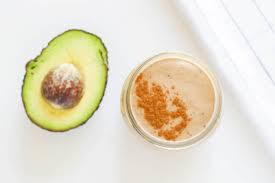
My Favorite Keto Smoothie!

healthfromwithinstl.com

Ingredients:

  • 1–1¼ cups full-fat coconut milk
  • ½ frozen avocado
  • 1 tablespoon nut butter of choice
  • 1 tablespoon chia seeds, soaked in 3 tablespoons of water for 10 minutes
  • 2 teaspoons cacao or cocoa powder OR 1 scoop of chocolate grass fed whey protein powder
  • 1 tablespoon coconut oil
  • ice (optional*)
  • for topping: cacao nibs and cinnamon
  • ¼ cup water, if needed

Directions:

  1. Add contents into a high-powered blender, blending until well-combined.
  2. Top with cacao nibs and cinnamon.
Email Dr. Nick with any questions at DrNickBarnes@gmail.com

Tuesday, February 6, 2018

Pain Triggering Foods!

Top 10 Pain-Triggering Foods

Check us out on Facebook - click here

Check us out on our website at healthfromwithinstl.com - click here

How Foods Inflict Pain
 
To understand how certain foods can trigger pain, you first need to understand inflammation and the role that it plays in diet and disease.
Inflammation is a normal immune response that helps protect the body against injury and infection. When you get a bug bite, for example, you might start to notice a bit of swelling and itchiness as your immune system springs into action.
Some conditions cause the immune system to set off this inflammatory response even when there are no foreign organisms to protect against. This causes the immune cells to attack the normal, healthy cells in the body, resulting in tissue damage and pain.
Certain types of pro-inflammatory proteins also work by directly activating nerve cells, which can both initiate and intensify pain. (3)
Some conditions commonly associated with inflammation and pain include:
  • Celiac disease
  • Leaky gut syndrome
  • Arthritis
  • Food allergies and sensitivities
  • Lupus
  • Ulcerative colitis
  • Crohn’s disease
  • Gout
  • Headaches/migraines
So how does food play into all of this? About 70 percent of your immune cells are found right in your digestive tract. (4) Not only that, but your diet can have a powerful effect when it comes to mediating the inflammatory response. Certain foods have been shown to ease inflammation while others can set off symptoms and make inflammation worse.
Strengthening your immune system by taking control of your diet can be an easy and effective way to reduce inflammation and relieve pain.

Top 10 Pain-Triggering Foods

1. Dairy

Although most people are born with the ability to digest lactose, the main type of sugar found in cow’s milk, it’s estimated that 75 percent of people around the world lose this ability at some point. (5) Consuming dairy products when you’re living with lactose intolerance may result in symptoms like bloating, abdominal cramps, flatulence or diarrhea.
Research also turned up some conflicting results about the role of dairy in inflammation and chronic pain. One review published in 2012, for instance, suggests that dairy consumption should be limited in those with arthritis to decrease inflammation and alleviate symptoms. (6) Conversely, a study in the European Journal of Clinical Nutrition found that consuming full-fat dairy foods was not related to inflammation. (7)
Although more studies are needed, switching to a dairy-free diet may be worth a try if you suffer from chronic pain. Case in point: one study showed that switching to a low-fat, planet-based diet significantly decreased symptom severity and inflammation in patients with rheumatoid arthritis. (8)

2. Soy

Soy is commonly found in a wide array of products including tofu, soy milk, soy sauce and vegetarian meat substitutes. Unfermented soy products contain phytic acid, a type of antinutrient that impairs nutrient absorption and irritates the lining of the gut.
This could potentially result in increased intestinal permeability, or leaky gut, a condition that allows particles to pass from the intestines into the blood. Not only can this contribute to inflammation, but it may also cause symptoms like joint pain, nutritional deficiencies, skin rashes and changes in mood.

3. Nightshades

Nightshade vegetables are a group of plants from the Solanaceae family, including tomatoes, potatoes, eggplants, chili peppers and bell peppers. While these nutritious veggies are generally healthy and safe for most people, they can trigger a host of adverse symptoms ranging from joint pain to muscle aches and mood swings in people who have a sensitivity.
Unfortunately, current research on nightshade intolerance is extremely limited, and most of the information available is anecdotal. However, testing out an elimination diet may be worthwhile if you think your pain may be worsening after eating nightshades.

4. Gluten

Gluten-free diets generate a lot of buzz, but many people still don’t understand basic gluten facts. Gluten is a type of protein found in grains like wheat, barley and rye. Besides being hiding out in bread and other wheat products, it also winds up in many salad dressings and deli meats, too.
For those with celiac disease or a sensitivity to gluten, eating even trace amounts can be a major pain trigger. While more research is still needed, gluten may even cause pain or symptoms in individuals without a sensitivity. Some test-tube and animal studies suggest that gluten may increase inflammation and exacerbate leaky gut syndrome by activating a specific protein involved in intestinal permeability. (9, 10, 11)

5. Alcohol

While the occasional glass of red wine with your dinner is okay, chronic alcohol consumption may not be so great for your health or your pain levels. Overdoing it can weaken the liver, amp up inflammation and even worsen symptoms of conditions like inflammatory bowel disease. (12, 13)
If you do want to wind down with a drink at the end of the night, be sure to skip the sugary mixers and high-carb beers. Also, remember to keep it in moderation with less than five drinks a week; no more than two drinks per day for men and one drink a day for women.

6. Meat

Emerging research indicates that limiting your consumption of red and processed meats could be beneficial for your health. Eating more red and processed meats is associated with increased inflammation, which is believed to be a major cause of chronic pain. (14, 15, 16)
Some types of meat are also high in purines, compounds that can aggravate gout and cause pain. If you suffer from gout, it’s best to limit your consumption of high-purine meat products like seafood, bacon, turkey, veal and organ meats during flare-ups.

7. Sugar

Sugar is linked to an extensive list of deleterious effects on health, from heart disease to cancer. (17) But did you know that your sweet tooth may also be contributing to pain as well?
Some research suggests that a high-sugar diet could cause alterations in your gut microbiome, which could promote inflammation and influence on immune. (18) Loading up on sugar may also increase intestinal permeability, allowing particles to pass through to the bloodstream, triggering leaky gut symptoms, including pain. (19)

8. Processed Foods

Unfortunately, ultra-processed foods make up a pretty substantial portion of the modern diet. One study estimates that processed foods account for a whopping 58 percent of total energy intake in the average American diet. (20) This includes popular items like convenience foods, snack cakes, sodas, juices, potato chips and breakfast cereals.
A diet packed with processed junk could be the culprit behind your chronic pain. A Harvard Medical School study found the traditional Western diet (characterized by a higher intake of red and processed meats, sweets, desserts, French fries and refined grains) was associated with higher levels of inflammatory markers. (21) Other studies show that trans fats, which are frequently found in processed foods, are tied to increased inflammation. (22)
For this reason, minimizing your intake processed foods is consistently recommended to help manage painful conditions like arthritis and inflammatory bowel disease. (23, 24)

9. Vegetable Oils

Vegetable oils like corn, safflower, cottonseed and soy oils are high in omega-6 fatty acids, a type of fat that most Americans are eating in excess. While most experts suggest sticking to a 2:1 ratio of omega-6 to omega-3 fatty acids, the typical ratio in the Western diet is closer to 20:1. (25)
Omega-6 fatty acids are pro-inflammatory. Some research links excess omega-6s to pain. A study published in The Clinical Journal of Pain associated a diet high in dietary omega-6s with more pain, functional limitations, pain sensitivity and distress in participants with knee pain. (26)

10. Caffeine

Bad news for coffee lovers: if you suffer from frequent, painful headaches, it may be time to cut back a bit on the caffeine. While some studies ID caffeine as a way to ease headaches,  it appears that benefit occurs mostly in people who rarely drink coffee. For chronic caffeine users, it may actually increase the risk. (27)
One study out of South Korea, for example, found that discontinuing caffeine consumption helped treat migraines in 72 percent of participants. (28) Caffeine isn’t just found in coffee, though. Other sources of caffeine include chocolate, tea, soft drinks and energy drinks.

How to ID & Deal

If you suffer from chronic pain and think your diet could be at the root of the problem, there are several steps you can take to start on the path towards pain-free living.
Testing is available for certain conditions, such as lactose intolerance, food allergies and celiac disease. These tests are a great way to pinpoint specific problems and identify foods that you should be nixing in your diet.
Unfortunately, detecting other food sensitivities isn’t quite as easy and sometimes requires a bit of detective work. The best way to identify trigger foods is by using an elimination diet.
During an elimination diet, foods are cut out completely and then slowly re-introduced over a period of several weeks to determine which foods may be contributing to symptoms and which foods can be safely added back in.
Remember: while identifying which foods may be causing your symptoms is important, following an overall healthy diet is just as crucial. Even if you feel just fine after polishing off a bag of candy, for example, that doesn’t mean that you should do it. Pairing a diet rich in whole, unprocessed, anti-inflammatory foods with a healthy lifestyle is vital to maximizing health, minimizing inflammation and keeping pain under control.

Final Thoughts on Pain-Triggering Foods

  • Diet, inflammation and pain are all intricately connected and can have a huge influence on your health and pain status.
  • Certain foods may trigger inflammation and pain in certain people, along with other adverse side effects.
  • However, keep in mind that not all foods affect everyone in the same way. You may experience negative symptoms to one or two of these foods; others may not affect you at all.
  • Identifying your trigger foods through medical testing or an elimination diet can be a powerful way to reduce chronic pain and promote better health.

Monday, February 5, 2018

5 Essentials To HEALING!

LIVE the 5 ESSENTIALS

1.  Maximized Nerve Supply
Free up FUNCTION… GET ADJUSTED!!!
Identify “stress” scars on your Nervous System.
Remove the Scars/subluxations… GET ADJUSTED!!!
Identify bad habits that created the problem in the first place
Do strengthening and stabilizing exercises

2.  Maximized Nutrition - Fix Your Fuel
Fix Your Fats (add in good healthy fats)
Perfect Your Proteins (improve the quality of your protein)
Slash the Sugars (cut our or minimize sugar intake)
Curb Your Carbs (remove refined carbohydrates)
Take specific supplements - Multi-Vitamin, Vitamin D3, Omega 3s, Protein

3.  Maximized Mindset - Fix your stinkin’ thinkin’
Realize Your Body Is Made to Heal!
Believe You Can Do It!
Take care of you!
Take responsibility for your life!
Set a goal, a timeline and commit!
Establish a routine!
It’s ok to be Weird!

4.  Maximized Oxygen - Fire Up Your Fitness
Make your workouts as efficient and effective as possible.
Do deep breathing throughout the day to raise the levels of oxygen in blood.
Example: Do 1-3 rounds As Fast As Possible
20 Push Ups
20 Squats
20 Crunches

5. Minimize TOXINS
What is going on/IN your skin/body?
What do you clean your house with?
What do you clean your body with?
What is the quality of the air that you breathe?


Get To As Many Events As Possible!
Follow us on FACEBOOK - Health From Within Family Chiropractic
Follow us on INSTAGRAM

Sunday, January 7, 2018

Healthy Keto Chocolate Pudding Recipe

SuperCharged Keto Chocolate Pudding:
This is keto chocolate pudding recipe is raw, gluten-free, low carb & paleo approved superfood combo.  The explosive taste and texture of this chocolate pudding is highly addictive (in a good way!)  It is ideal to get about 80% of your daily food intake raw.
This pudding tastes amazing and helps balance your hormones giving you better energy, fat burning & muscle building properties, mentality clarity and staving off hunger and the desire to eat.   This recipe satisfies 1-2 individuals but can be multiplied so the whole family can enjoy.

Chocolate Pudding Ingredients:

1 Avocado
2 Tbsp of virgin Coconut oil
2-4 tablespoons of Raw Cacao powder (depending upon how chocolaty you want it) 
1-2 cups of organic unsweetened almond or coconut milk in carton
1 scoop of Grass fed whey protein (Maximized Living Brand)
Servings:  2
Optional Ingredients: 
1-2 Tbsp of fresh ground flax, hemp or chia seed
Additional Stevia for taste – I recommend pure stevia in a liquid dropper

Chocolate Pudding Directions:

Step #1:  Put all ingredients together into a blender and spine it until whipped up.  Be sure you have enough almond/coconut milk in it to make it blend smoothly.  
Step #2:  You may need to scrape protein and cacao powders off of the side to ensure they don’t clump into the side of the blender.
Step #3:  Great to serve this with berries or in a grain-free pie crust.
Additional Tips:  This recipe can also be used with a grain-free almond flour or coconut flours based pie crust for a raw chocolate pudding cake.


Thursday, December 28, 2017

Healthy WAFFLES!

Almond Flour Coconut Waffles

Prep Time 5 mins
Cook Time 5 mins
Total Time 0:10
Serves 1-2 adjust servings

Ingredients

Instructions

  1. Plug in your waffle iron. You don't have a waffle iron? Why? Because it's the most pointless tool in the kitchen and is only useful for one kind of food. True. But buy one. Waffles are awesome.
  2. Whisk your eggs in a medium-large sized bowl.
  3. Add your coconut milk and whisk together with eggs.
  4. Next add your almond flour and mix together.
  5. Then add your shredded coconut, arrowroot powder, baking soda and mix together.
  6. Lastly, add in your honey, vanilla, salt and cinnamon. Mix together thoroughly.
  7. Pour into your waffle iron and cooking until cooked through. It took about 4 minutes for mine to cook through and crisp up.

Recipe Notes

This made 3 full waffles for me.

Wednesday, December 27, 2017

7 Ways To STOP Sugar Cravings!

1. Lemons, Limes, and Apple Cider Vinegar 

Sprinkling the juice of lemons and limes over your foods will change the way your body processes them during digestion. The citric acid within those juices will change the way your digestive system processes your foods in a way that slows blood sugar response (4). Apple cider vinegar has a very similar effect and has been shown to lower the glycemic index (blood sugar response) to higher carbohydrate meals significantly (5). All three of these liquids also have a range of other nutrients that can aid in digestion and help promote better insulin signaling. Simply adding these to your foods can be a great strategy. As an alternative, you can also add 1-2 Tbsp. to a glass of water and drink about 30 minutes before eating for a similar benefit.

2. Low Carb, Ketogenic-Style Diet 

One of the most powerful dietary strategies I have found to stabilize blood sugar, improve hormone balance, and kick sugar cravings is a ketogenic-style or low-carb/high-fat diet. By replacing high amounts of refined sugars with predominantly healthy fats and only consuming slow-digesting, low glycemic carbohydrates (when necessary), you are taking a massive step towards better health and blood sugar regulation. Another benefit of eating predominantly fats is their effect on satiety (feeling full after a meal). Dietary fats help promote proper secretion of leptin which is a hormone responsible for satiety as well as healthy blood sugar balance.

3. Air Squats

Another MAJOR reason for blood sugar imbalance is inactivity. If we don’t use our muscles regularly, then stored sugar remains in the cells while blood sugar gets diverted into fat stores.  By using your muscles through movement, you can burn up those stored sugars and improve blood sugar response for 2 hours following. My recommendation is to perform 20-50 air squats whenever you start to feel the craving for sugar coming on. If you have knee problems or for some reason cannot perform a squat, you can also perform an overhead press with light weight.

4. Water & Good Salts 

Sugar cravings can often be a result of dehydration and improper mineral balance. At first it can seem like these variables don’t tie together but it actually makes a lot of sense why you would crave sugar when dehydrated.
Our liver utilizes water in the process of converting glycogen into glucose for energy. If we are dehydrated then our ability to maintain steady blood sugar decreases and the body tries to compensate by signaling you to consume more sugar.
Consuming adequate amounts of a high-quality salt such as Himalayan pink will help maintain proper hydration by providing trace minerals and electrolytes like magnesium, sodium and potassium. They will also promote proper balance of stress hormones which profoundly influence blood sugar.
Use pink salts generously on foods or add a pinch to your water before drinking. I personally use this pink salt. 

5. Use Natural Sweeteners

Eliminating processed sugars and fast-digesting high-carb foods is one of the primary strategies to stabilizing blood sugar and eliminating sugar cravings. To safely consume sweet, delicious foods, make them homemade with natural sweeteners like stevia and monk fruit.
Both stevia and monk fruit have been proven safe for diabetic populations because they have no significant impact on blood sugar levels. What I find amazing is that some evidence shows that incorporating these sweeteners into your diet can actually improve your ability to maintain steady blood sugar levels (6, 7)! The fact that they contain no sugar also makes them awesome for use in a ketogenic diet.

6. Reduce Stress & Adapt Stronger 

Stress can be one of the most destructive forces to the human body. If we learn to tame it however, it can also be one of our greatest means for growth. The first step is make sure we separate bouts of stress with enough rest to fully recover. Our body is adapted for short bursts of high stress, but chronic stress can lead to problems.

I fully understand the fast-paced nature of our society today so for times of prolonged stress it is important to ground ourselves through exercises like deep breathing, meditation, gratitude, prayer, and getting out in nature. These kinds of activities pull the body back into a parasympathetic state where recovery can occur.  In this article, I go over a number of strategies to help you adapt stronger.
For additional support, it’s important to obtain adequate amounts of B vitamins and magnesium to help support stress responses in the body. I have also found adaptogens like cordyceps and ginseng to be incredibly powerful for this.

7. Support Dopamine Production

Dopamine is most commonly associated with the reward and pleasure centers in the brain. When we finish a task or accomplish a goal, our brain releases dopamine that gives us a feeling of euphoria. In this way, dopamine also highly regulates our motivation and ability to exhibit will power. Consequently, I have found that sugar cravings and compulsive eating habits are often a sign of low dopamine levels.

Supporting proper dopamine production will allow you have greater willpower over your dietary choices and overcome sugar cravings. Proper strategies for optimizing your dopamine levels are outlined in this article.

For more information about how to begin to TRULY HEAL, go to our website at www.HealthFromWithinSTL.com or call 314-942-8608 or email healthfromwithinstl@gmail.com

Sources For This Article Include

1. UW Health
2. Stephens, M. A. C., & Wand, G. (2012). Stress and the HPA axis: role of glucocorticoids in alcohol dependence. Alcohol Research : Current Reviews, 34(4), 468–83. PMID: 23584113
3. Kleinridders, A., Cai, W., Cappellucci, L., Ghazarian, A., Collins, W. R., Vienberg, S. G., … Kahn, C. R. (2015). Insulin resistance in brain alters dopamine turnover and causes behavioral disorders. Proceedings of the National Academy of Sciences of the United States of America, 112(11), 3463–8. PMID: 25733901
4. Radulian, G., Rusu, E., Dragomir, A., & Posea, M. (2009). Metabolic effects of low glycaemic index diets. Nutrition Journal, 8, 5–12. PMID: 19178721
5. Johnston, C. S., & Gaas, C. A. (2006). Vinegar: medicinal uses and antiglycemic effect. , 8(2), 61. PMID: 16926800
6. Assaei, R., Mokarram, P., Dastghaib, S., Darbandi, S., Darbandi, M., Zal, F., … Ranjbar Omrani, G. H. (2016). Hypoglycemic effect of aquatic extract of Stevia in pancreas of diabetic rats: PPARγ -dependent regulation or antioxidant potential. Avicenna Journal of Medical Biotechnology, 8(2), 65–74. PMID: 27141265
7. Zhou, Y., Zheng, Y., Ebersole, J., Huang, CF. (2009). Insulin secretion stimulating effects of mogroside V and fruit extract of luo han kuo (Siraitia grosvenori Swingle) fruit extract. PMID: 21351724

Monday, December 18, 2017

8 Ways to Beat a Cold or Flu Naturally!

What is Cold and Flu Season?

Understanding the difference between the common cold and the flu can may help ease your mind when you ponder how long your kids will be out of school and thus how long you will be out of work. These facts that follow can help you understand the symptoms and causes of each.

Primarily associated with rhinoviruses, the common cold is amongst the most common illnesses in the world. The majority of treatments involve a trip to the pharmacy and at home remedies while a smaller percentage of only 28% showed individuals actually visit a practitioner for advice. (11)

Differences between Cold and Flu:

Although the differences in these two illnesses are distinct they may be mistaken for one another if you are uncertain of their symptoms. Typically a cold causes symptoms of cough, sore throat and nasal congestion. 200 known viruses are known to cause a cold (11).

Cold viruses infect the nose and throat. Kids pass along germs easily while playing and then touch their nose, eyes and even put things in their mouths making them more susceptible to infection. Poor hygiene practices such as the lack of washing their hands, sneezing and coughing into the air and mindlessly touching anyone or anything are all easy transit routes for viruses to spread. (13)

Symptoms of the Flu:

Unlike a cold, infection from the flu affects the nose, throat, as well as the lungs which makes it a more severe illness. Most commonly, drops of bodily fluid from sneezing, coughing and even talking spread the virus to others. (32)
These symptoms are not present in every individual with the flu but are a good guideline for you to determine if your sickness is just a cold or if it is caused by a more serious flu illness. (1, 11)

1)  Eat Light:

As the old saying begs the question, should you eat a cold or starve a cold? Breaking the cycle of consuming your standard meals is necessary when your body should be focusing all of its energy to healing. Every time you ingest food you are taking resources away from your immune system from battling your illness. Instead it is working to protect you from the bacteria, viruses and other harmful agents that are present on your food.
The introduction of more bacteria to your gastrointestinal tract poses a threat to your gut microflora and also your immune system. Microbes in the gut interact or “communicate” with the immune system signaling several immune responses to occur and therefore promote inflammation and a longer recovery time. (14)
If you are hungry while battling sickness, feed yourself foods that will boost immune defenses. Prebiotic and probiotic rich foods like Jerusalem artichokes, leeks, citrus fruits, as well as fermented dairy and vegetables will feed your gut beneficial bacteria and encourage a strong immune system.

2)  Hydrate Well:

Your immune system relies on a well hydrated body to stimulate detoxification pathways needed to stimulate enzymes and other biological agents which help flush pathogens from the body and repair damaged tissue (3, 4). Polyphenols found in lemons, apple cider vinegar, herbal teas and even antioxidant rich broths repair the immune system and effectively destroy microbes along the digestive tract.
To help alleviate sore throat and cough symptoms, try hydrating with some of these polyphenol rich liquids:
  • Add a splash of apple cider vinegar to a cup of water or drink herbal teas.
  • Herbal teas provide antioxidant support that help fight against infection from viruses, bacteria and even fungus. Ginger tea boost glutathione activity and helps reduce inflammation and Echinacea is a long established Ayurveda herbal treatment that is loaded with supportive vitamins and antioxidants. (5, 6)
  • Sipping on lemon water throughout the day can heal and help you combat the tiredness you are facing. Out of 300 participants in one research group, the use of lemon was most popular to treat cold and flu symptoms accounting for 73% of treatment uses (11).
  • Bone broths prepared from pastured chicken or beef bones are high in amino acids proline and glycine critical to inhibiting bacterial and viral inflammation. They are also contain potassium and magnesium to calm muscle and joint pain.

3)  Use Healing herbs:

Even through the constant advancements of modern medical medicine, the use of medicinal plants has continued for their potent antioxidant and anti-inflammatory effects on the human body (10).
Herbs are a powerful weapon to eliminate contaminants in the body including harmful microbes. European countries rely on commonly and effectively treating cold and flu with the following plants and herbs: (11)
  • Purple Echinacea
  • Blackcurrant
  • Sea buckthorn fruits
  • Raspberry
  • Oregano
  • Yarrow
  • Chamomile
  • Ginger
  • Thyme
  • Willow bark
  • Garlic
  • Onion
Garlic and onions are some of the best foods you can eat to combat symptoms of cold and flu. Both of these flowering plants have long been used since Egyptian practices for their medicinal treatment of viruses, bacteria and fungus (8). Garlic and onions contain a compound called allicin that contains sulfur and provides countless ways of healing the body from inflammation (9).

4)  Diffuse Essential Oils:

An abundance of clinical data and scientific research exists supporting the benefits of aromatherapy oils on the immune system and their topical uses to treat symptoms of cold and flu. Essential oils contain antiseptic compounds that combat bacteria, viruses, fungus and reduce inflammation that can help you feel better sooner and heal faster.
Studies support that essential oils lower causes of inflammation and sickness by reducing anxiety, promoting relaxation, regulating natural killer cell response and lowering cortisol levels (23, 24). Chemical messages are transmitted to the brain through inhalation and boost mood and can calm emotions (25).
The following oils have medicinal benefits and therapeutic effects on human health and can be indirectly inhaled via a room diffuser, directly inhaled to alleviate sinus pressure, massaged onto the skin or applied to baths and lotions:
Eucalyptus oil: A useful agent to regulate the immune response, eucalyptus oil supports cell-mediated pathways including their innate attack on pathogens (22).
Consider taking a steamy bath with a few drops of added eucalyptus oil for natural decongestant relief to help you breathe better and sleep sounder.
Frankincense oil: Frankincense contains Boswellic acids that have the healing potential to stimulate the immune system and serve as a potent anti-inflammatory compound (26). This oil is useful at reducing inflammation from stiff joints and sore muscles as well as alleviating symptoms of a sore chest and throat.
Oregano oil: Plant extract from oregano has been used as an alternative home remedy for its antibacterial properties. Oregano oil inhibits the growth of E.coli and pneumonia causing bacteria in clinical research (27).

Thyme oil: When used in combination with oregano oil, thyme oil exhibits powerful anti-inflammatory effects. When consumed orally, the benefits of thyme oil exhibited significant anti-inflammatory and anti-bacterial responses in the gut increasing cytokines to help fight infection. Traditionally, thyme essential oil is used for antimicrobial, antiviral and antifungal properties and also exhibits free-radical scavenging abilities. (28)

Citrus oils: Citrus essential oils are great to help you combat fatigue and alleviate those winter blues. Not limited to lemons, limes and oranges, citrus essential oils also include grapefruit, bergamot, and neroli. These oils are best inhaled for their therapeutic properties to suppress abnormal cell cycle pathways that cause tissue damage and regulates cytokine activity (29).

Citrus oil compounds have been used in Ayurevic practices to prevent symptoms of arthritis and rheumatism and can be equally beneficial to helping your overcome a cold or flu. (30)

Clove oil: Clove oil has tremendous abilities to destroy bacteria that accumulate in the oral cavity creating inflammation and free radical damage. Clove oil has been shown to also effect multi-resistant strains of bacteria and exhibit strong free radical activity (31).
When battling infection with symptoms of a sore throat or cough, take simple measures like brushing your teeth with an added drop of clove oil to reap the benefits from this powerful astringent.

5)  Sun Exposure:

The need for vitamin D to regulate the total health and healing abilities of the human body has long been underestimated until recent years. Vitamin D deficiency can be linked to any abnormal immune system complication. Vitamin D is required for detoxification pathways and healthy immune stimulating responses such as the generation of GcMAF, a type of protein responsible for activating macrophage activity and repairing body tissue (15).
Without adequate sunlight exposure, the body cannot produce the active form of vitamin D3 called cholecalciferol. Ideally, 10,000 to 20,000 IU of vitamin D3 should be produced from penetrating UVB rays beneath the epidermis. Sunbathing a minimum of 3 times a week is recommended with the following guidelines based on skin color:
  • Light Skin = 15-20 minutes per day
  • Medium Skin = 25-30 minutes per day
  • Dark Skin = 40-45 minutes per day
When unable to receive the recommended sun exposure, boost your vitamin D levels with a supplement containing doses at 1,000 IU of vitamin D3. For every 25 pounds of body weight, supplement 1,000 IU vitamin D3 daily and best taken with a healthy fat such as olive oil for maximum absorption.

6)  Grounding:

While sick you are probably also feeling blue and could use a mood booster. Grounding is a beneficial exercise that you can practice to relieve symptoms of depression, increase your energy, reduce stress, optimize healing and can be done while getting that necessary sun exposure (16).
Grounding consists of connecting your mind with your body while transferring Earth’s natural electrical energy through your body to reduce stress. Electromagnetic frequencies (EMFs) are present in the world all around us of which we can naturally absorb from the ground by walking barefoot on sand, dirt and grass. Getting in sync with these natural rhythms has been shown to decrease cortisol levels which helps remove interferences from the body’s immune system better allowing us to heal (17).
Practice grounding by reading a book beneath a tree, going for a light walk around your yard while barefoot, and performing meditative exercises outside such as yoga while also barefoot. You may also consider eating grounding whole foods farmed from the ground like radishes, sweet potatoes, beets and fruits.

7)  Chiropractic care: Health From Within

The cliché that “chiropractic adds life to years and years to life” is not just an old saying but stands on truth. Although the validity behind the claim that it can add years to life is still debated, research shows that receiving chiropractic care does boost the immune system response and does improve the quality of life. Chiropractic care can help prevent the frequency of sickness and help you recover from an illness.
Spinal manipulation has been shown to increase polymorpho-nuclear neutrophils (18). These circulating blood cells are one of the first lines of defense against infectious invaders. These leukocytes enhance the function of immune cell responses that protect the body against destructive agents.
When inhibition is present along the spine, the nervous system is unable to properly communicate with the immune system. Chiropractic care helps to remove this interferences or adjust subluxation so that the body is able to repair itself (19).

8)  Vitamin C supplementation:

Vitamin C is an essential nutrient key to promoting human health and optimizing immune function in numerous ways. Vitamin C has been found to increase NADPH pathways which are required by biological agents that seek to destroy pathogens (20). It supports reactions which lead to both DNA and RNA synthesis, stabilizes white blood cell count to better handle oxidative stress and also prevents the depletion of glutathione from recycling old vitamin C (21).
Some of the highest sources of vitamin C per serving are found in spinach, leeks, chives, kale and sweet bell peppers (7). Other foods rich in vitamin C are lemons, limes and an abundance of green vegetables which also contain low concentrations of sugar. Add these vegetables to your bone broths and soups for a light and healthy meal to fight infection while sick and juice lemons and limes into your water frequently to maintain optimal hydration.
Try to avoid vitamin C supplements containing added sugars, artificial colors and preservatives which can inhibit immune defenses.

Bonus– Zinc Supplementation:

While awake, supplement with 20mg zinc every 3 hours until you feel better. This essential mineral is vital to supporting the immune system but is largely depleted due to influences from our lifestyles. An unhealthy diet high in sugars and carbs inhibits zinc absorption as do phytic acids found in grains and legumes. The overuse of medications or NSAIDS (non-steroidal anti-inflammatory drugs) also increases the deficiency of zinc in the body.
Zinc increases the performance of powerhouse antioxidant systems like Sod (superoxide dismutase) that protects cells from viral infection and damage. Zinc increase the immune response to defend against pathogenic activity including viral replication and inhibits oxidative damage. It is especially helpful at reducing inflammation in the body by regulating the immune response to destructive activity. (12)
In combination with the 8 ways listed above, consider the benefits of supplementing zinc into your diet and you will be have fewer sick days in a year. Especially over the cooler holiday months when you are more confined in doors with others, add these foods to your meals for their zinc protection:
  • 100% grass-fed beef
  • Wild caught salmon
  • Pasture raised chicken
  • Cashews
  • Almonds
  • Spinach
  • Asparagus
  • Dark chocolate
  • Grass-fed dairy
For faster results, use a high quality zinc supplementation.  The ideal form of zinc supplementation is zinc glycinate where zinc is connected to one or two molecules of the amino acid glycine.  Glycine helps with liver detoxification and supports the immune system. 

This information was written by Dr. David Jockers.

Sunday, December 3, 2017

Healing Leaky Gut Protocol

Here is the Protocol: Rebuild gut: (The 4 Rs)

All four steps are done concurrently, they are just separated so you know what each part is specifically doing.

 *1. Remove (90 Days) - - The 5 causes: Food sensitivities (Follow testing results - Cyrex Array 10 - IGG,IGA) - Email info@drgregbarnes.com for testing info - Sugar and ALL Grains - Processed foods (bad fats, caffeine, alcohol, gluten, soy) - Dairy – even organic and Raw - Avoid Stress! If present Address Parasites - do stool sample through Doctor’s Data - Remove the triggers - (NSAIDS) pills poke holes in gut – Tylenol, aspirin, ibuprofen - Avoid antibiotics at all costs! 

*2. Repair- Begin taking: Vitamin D3 daily - If below 60 ng/mol - 10,000 ius daily for 30-60 days then retest 5,000 IUs daily for maintenance Taken in the morning, with a meal (fat) Designs For Health (DFH) Aloe Vera 200x
- 3 x day before meals + aloe vera gel
- 2x/day DFH L-glutamine daily 3gm
- breakfast (smoothie or just water) Max GI - 2 capsules on empty stomach - Best in AM or after eating something you shouldn't have :). This helps with Small intestinal bacterial overgrowth and bloating/gas issues DFH Gastro Mend – HP - 2 Capsules in AM and 2 in PM

3. Restore- Begin taking: Probiotics -150 billion a day minimum, Max GI, sauerkraut
- Proper Nerve Supply- corrective chiropractic adjustments -
- Fermentable Fibers – (Sweet potato, yam, plantains, yucca, jewish artichokes)
- Grassfed, organic butter (butyrate) daily
- Increase organic, healthy animal protein - Bullet Proof Coffee
- Take DFH PrePhage and Probiophage as directed


4. Replace - - DFH Betaine HCL w pepsin- take 2 capsules per meal
- DFH Zinc supreme - take 3 capsules per day (PM)
- Max GI – contains digestive enzymes to aid in breakdown

Sunday, November 26, 2017

Lower Inflammation Naturally

7 Strategies To Lower Inflammation

One of the best ways to measure and track your inflammation levels is our Complete Thyroid Panel which actually looks at a variety of inflammatory markers. However, if you are dealing with a chronic disease or health condition, underlying inflammation almost certainly a factor in getting healthy.
These 7 strategies are absolutely critical to recovering from a chronic inflammatory condition. They work to mitigate inflammation from many different angles. I have found that it is not enough to simply take a turmeric supplement or use a fish oil as these only address one aspect of inflammation. These are helpful, however targeting the underlying causes of inflammation while employing other advanced strategies get the best results.

Anti-Inflammatory, Healing Diet

The diet is a great place to start. In today’s society, we have quite an abundance of foods on the market that are extremely questionable. You will want to revert back to consuming foods that are as close to their natural forms as possible. As a few general guidelines, you will want to:
  • Cut sugars & grains from the diet
  • Eliminate processed vegetable oils (Focus on healthy fats)
  • Increase your intake of organic, low-glycemic vegetables
  • Only consume grass-fed and pasture-raised meats
  • Focus on supporting fat metabolism by following a ketogenic-style diet
Converting to a low-carb, high fat (or ketogenic) diet has consistently shown to improve metabolism and lower inflammatory markers in the body. This is likely because of the relationship between glucose metabolism and inflammation pathways (1).
By converting the body into a fat-burning state via a ketogenic diet, there are additional anti-inflammatory benefits to be gained. It turns out that by becoming fat-adapted and increasing ketone levels in the body, there is a drastic decrease in inflammation, particularly in the brain tissues (2). By creating an emphasis on nutrient-rich vegetables, herbs, spices, and healthy fats, you take these benefits a step further.

Reduce Exposure to Toxins 

Our food supply is high in toxins due to the widespread adoption of pesticides, genetically-modified crops, and runoff from industrialization. While it is pretty difficult to eliminate toxin exposure completely. There are ways of mitigating exposure so that the toxic load on your body is much lower.
First of all, following an anti-inflammatory diet as mentioned above naturally cuts out many of the toxin-filled foods in our society. Focusing on organic produce, pasture-raised meats, and healthy fats is key.
The next important source to look is your water supply. In today’s day and age, tap water just doesn’t cut it. Most municipal water supplies contain chlorine, fluoride, heavy metals, and even residues from pharmaceutical drugs.
Finally, there are chemicals that we need to reduce our exposure to that come from everyday household items like soaps, cosmetic products, cleaning agents. Etc.
  
More on Toxins

Toxins that we ingest through our food and environment generally have 2 fates. Either our bodies are equipped to effectively eliminate them or they become trapped inside our tissues. As your exposure to toxins increases, the burden on your liver grows and more toxins tend to become stored rather than eliminated. Many of these toxins have a particularly high affinity for becoming stored in body fat. If you have excessive body fat, burning that off via a ketogenic diet and adequate physical activity can go a long way.

Additionally, there are a number of advanced strategies you can employ on a daily basis in order to effectively eliminate any stored toxins in your body. These include things like using a sauna, super hydration, and using detoxifying supplements.

Super Hydration

It is so important to drink a lot of water in order to flush out toxins and help the body to produce cellular energy.  I tell my clients they need to “pee their way to good health!”  This is because urination is one of the major ways the body eliminates inflammatory waste and environmental toxins.
Be sure to drink a minimum of half your body weight in ounces of water.  So if you weigh 150 pounds than that means a minimum of 75 ounces of water should be consumed each day.  To heal faster, I recommend getting closer to a full ounce per pound of body weight…so that would be 150 ounces for a 150 lb individual.
Be sure to drink this away from meals so you don’t compromise your stomach acid and digestive processes.   I typically stop drinking about 30 minutes before a meal and will pick up my hydration about 60-90 minutes after my meal.

Eliminate Food Sensitivities, Heal the Gut

 Growing up we all hear about food allergies. You may even have one. This is where eating a certain food, such as wheat or peanuts, causes an outright and obvious negative reaction in the body. These can be immediately life threatening.
You may go your entire life, however, having a food sensitivity and not know it. This is when consuming a food creates a subtle inflammatory response in the body. Consuming these on a regular basis contributes to a state of chronic inflammation in the gut and eventually the rest of the body. Testing for your own, following an elimination diet, or using the strategies in this article can help to reduce this inflammatory reaction in the body.
These food sensitivity reactions are extremely common in people with leaky gut, autoimmune disorders, and most inflammatory conditions (3).

Address Micronutrient Deficiencies

Your body contains an unthinkable number of biochemical processes that are always occurring whether you know it or not. These processes require certain nutrients in order to complete properly. Everything from hormone balance to immune system function depends on certain nutrients being present in the body.
Testing for your own deficiencies and addressing them can go a long way in mitigating chronic inflammation. Some of the most common nutrient deficiencies I encounter include, magnesium, Zinc, Vitamin D, Omega 3 Fats, B Vitamins, and anti-oxidants.
Following a healing diet is a powerful first step for improving your micronutrient intake. Using targeted supplementation or a high-quality multivitamin should be considered as well.

Healthy Movement

Getting regular exercise and physical activity are important for lowering inflammation. If you are physically stagnant, you become stagnant internally. You need to move in order to circulate lymph fluid, boost cardiovascular circulation, increase respiration, and increase the expulsion of toxins.
Having a healthy posture, proper breathing mechanics, and a balanced muscular structure will reduce stress on the body and improve oxygenation of tissues. Take this into account when deciding on a workout structure to incorporate.
Another great strategy is to see a chiropractor to address any spinal misalignments that may be contributing to nervous system dysfunctions. In fact, chiropractic adjustments have been shown to improve anti-oxidant production and lower inflammation in the body specifically (4).

Reduce Emotional Stress

Emotional and mental stress is actually a massive contributor to oxidative stress and inflammation. This inflammation largely manifests itself in the neurological tissues and has a profound negative impact on mood and behavior, which could easily turn into a self-perpetuating cycle (5). Resolving emotional stressors is absolutely vital to mitigating inflammation as much as possible.
Additionally, you want to instill peace within yourself to prevent chronic inflammation from recurring do to emotional stress. This can be done through daily practice of gratitude and by becoming comfortable with making necessary changes in your life needed to reach optimal health.
There is typically not a one-step solution to solving your health problems, as is the case with many things in life. Accepting that achieving health is a process in, and that this process requires a bit of temporary discomfort is what will allow you to make breakthroughs in your life.

Anti-Inflammatory Supplements

The lifestyle strategies above are effective for mitigating chronic inflammation in the body over time, and keeping it away. For tough cases, using specific supplements is super powerful for quickly reducing inflammation in the body.
The following act on different mechanisms of inflammation to create a profound and systemic downregulation of this harmful condition.

Vitamin D

Vitamin D has the ability to regulate over 1000 different genes in the body (6). This is one of the most common deficiencies I see in inflammatory disorders, especially auto-immunity and cancer.
Vitamin D is specifically an extremely powerful immune modulating nutrient that helps to balance the immune system. Remember, an over or underactive immune response is commonly found in inflammatory disorders so using immune modulating compounds like Vitamin D is critical.
Many health experts agree that the ideal range of Vitamin D in the body is 60-100 ng/ml in the blood, preferably closer to the 80-100 ng/ml range. To achieve this level, 1000-2000 IU of supplemental Vitamin D per 50 lbs. of bodyweight is a good strategy. Additionally, it is important to take Vitamin D along with Vitamin K as they act together in the body and not doing so can lead to lessened benefit.

Glutathione

Glutathione is the body’s master antioxidant that regulates all other antioxidants. At this point, you understand just how important controlling oxidative stress in the body is for mitigating inflammation and glutathione is one of the most powerful ways to do so.
Getting plenty of antioxidants from vegetables, herbs, spices, and even essential oils can be extremely powerful. When it comes to tough cases, using oral glutathione can be an effective way to quickly upregulate antioxidant systems in the body. Alternatively, there are great ways to boost endogenous glutathione production by using natural compounds like curcumin, N-acetyl cysteine, and alpha lipoic acid.

Curcumin 

Curcumin is one of the most heavily studied compounds found in one of the most studied herbs on the planet, turmeric. It is believed that curcumin is one of the primary constituents responsible for turmeric’s anti-inflammatory effects.
The one I usually recommend is Meriva. I like this one so much because it is contained in a liposomal form which is extremely easy for the body to absorb. Turmeric in its raw form is somewhat difficult to absorb into the body, so using a liposomal extract allows for a much greater therapeutic effect in the body.

Omega 3

Increasing your intake of omega 3 fatty acids it is absolutely critical for mitigating chronic inflammation. Most people consume a diet that is high in omega 6 fats while being severely deficient in omega 3. This puts fatty acids at an imbalance in the body that actually favors inflammatory processes. This is because Omega 6 fats are part of the eicosanoid pathway that is responsible for producing inflammatory markers in the body.
Following an anti-inflammatory diet full of healthy fats and wild-caught fish is a great way to quickly lower inflammation. Additionally, you may find it helpful to supplement with a high-quality fish oil in order to favor a healthy omega 3 to omega 6 ratio. In terms of down-regulating inflammation quickly, I haven’t found anything as effective as Omega.

Proteolytic Enzymes

Our bodies use over 3000 enzymes to carry out over 7000 enzymatic processes in the body. Many people don’t realize this but enzymes can even help to break down inflammatory molecules such as Tumor Necrosis Factor (TNF), C Reactive Protein (CRP), and Circulating Immune Complex (CIC).
In many cases of chronic inflammation, these inflammatory molecules are circulating in abundance throughout the body. Supplementing with proteolytic enzymes helps to clear these molecules from the body and effectively lower inflammation.

Summary

Everyone endures some level of inflammation on a daily basis. As long as this inflammation does not overcome our body’s’ ability to mitigate that inflammation, it is not an issue. Many people today have lost this ability and are falling victim to chronic inflammatory conditions such as auto-immunity, cancer, arthritis, fibromyalgia, chronic fatigue, and many more conditions.
Luckily, chronic inflammation can be overcome by following an anti-inflammatory lifestyle including the principles mentioned above. Additionally, utilizing powerful advanced supplementation it is possible to rapidly speed up the healing process for any chronic illness.